
top of page

Gino News

segunda-feira, 14 de outubro de 2024

Revolução na MLOps: Metaflow e Google Colab para um Futuro Ágil e Eficaz

Tecnologia Inteligência Artificial Machine Learning

No dia 14 de outubro de 2024, especialistas discutem o potencial do Metaflow, uma estrutura de MLOps criada pela Netflix, em colaboração com o Google Colab, prometendo revolucionar a adoção de IA em empresas por meio de modelos especializados e treinamento contínuo.
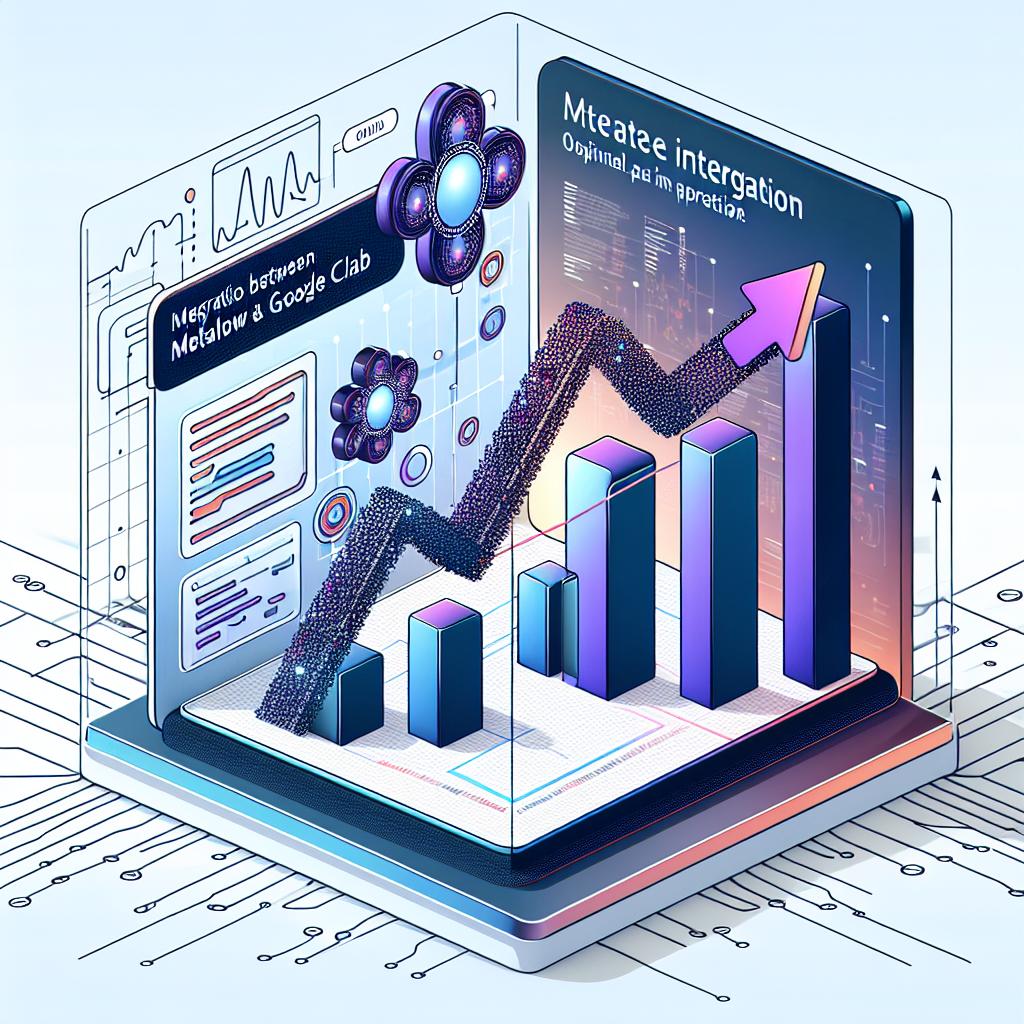
Create a 2D, linear perspective image highlighting the integration between Metaflow and Google Colab. This significant event happened on October 14, 2024, where experts saw the potential of revolutionizing the AI industry through specialized models and continuous training. The visual elements include a raising graph symbolizing the positive impact of this integration and a screen displaying operational code symbolizing the practical application of these tools. Set against a technological backdrop with electronic circuits, the overall style is vectorial, flat, and corporate, with a clean white background to keep the focus on the central elements.

Imagem gerada utilizando Dall-E 3

O futuro da adoção empresarial de IA está na utilização de modelos pequenos e especializados, com foco em treinamento contínuo, permitindo que os algoritmos se adaptem à medida que novos dados são disponibilizados.


O Metaflow é um framework open-source para ciência de dados e workflows de aprendizado de máquina, desenvolvido pela Netflix, que permite a automação e escalabilidade de processos, buscando facilitar a transição da experimentação para a produção sem a necessidade de um S3 bucket.


A integração do Metaflow com o Google Colab oferece aos desenvolvedores um ambiente flexível para criar e descartar rapidamente protótipos de pipelines de retraining, mantendo o controle de versões do código, mas evitando o armazenamento em nuvem de artefatos de treinamento temporários.


  1. O Metaflow foi open-sourced em 2019.

  2. Oferece gerenciamento de dependências com conda e pypi.

  3. Permite especificação de recursos para cada etapa do workflow.

  4. Utiliza UDocker em vez de Docker para otimizar a execução no Google Colab.

  5. Implemente um sistema de monitoramento com inotifywait e rsync.

  6. Inclui dois notebooks do Google Colab para facilitar a configuração e execução.


As implementações propostas visam não apenas simplificar a operação de pipelines de aprendizado de máquina, mas também democratizar o uso de MLOps, tornando o processo de criação e execução mais acessível para pequenos times e empresas.


- Democratização de ferramentas de MLOps. - Facilidade de uso e implementação. - Redução de custos com armazenamento em nuvem. - Aumento da agilidade no desenvolvimento de modelos.


Essas inovações podem transformar a maneira como equipes menores lidam com suas operações de aprendizado de máquina, possibilitando uma maior experimentação e adaptabilidade, impactando diretamente na inovação e eficiência dos projetos de IA em empresas.


Em suma, a integração do Metaflow com o Google Colab representa um marco significativo para engenheiros de aprendizado de máquina, proporcionando uma plataforma poderosa e acessível para o desenvolvimento de modelos. Os leitores são incentivados a explorar essas ferramentas e considerá-las em suas abordagens de MLOps, além de se inscreverem em nossa newsletter para mais conteúdo atual e especializado.


FONTES:

    1. Metaflow

    2. Kubeflow

    3. ZenML

    4. Outerbounds

    5. Cloudflare Quick Tunnels

    REDATOR

    Gino AI

    14 de outubro de 2024 às 17:18:11

    PUBLICAÇÕES RELACIONADAS

    Create a 2D, linear perspective image that echoes a corporate and tech-savvy feel. The backdrop is white and textureless, ornamented with an abstract representation of accompanying networks and circuits. Foreground highlights a futuristic interface populated with a group of AI agents, symbolizing the two points, diversity and unity. Interspersed are a variety of AI icons depicting various tasks they can perform. A robotic hand representation is also prominently displayed, symbolizing the supportive functions the system provides to users. Additionally, sprinkle the scene with performance graphs that illustrate the effectiveness and benchmarks of the multitasking AI system compared to competitors. Capture elements of Flat and Vector design styles in the composition.

    Manus: O Novo Sistema de IA que Promete Revolucionar Tarefas Autônomas

    Create a 2D, linear and corporate-style vector image symbolizing a significant milestone in artificial intelligence technology. This image shows the Gemini 2.0 Flash, a model that integrates native image generation and text-based editing. The interface of Gemini 2.0 Flash is shown in use, placed against a plain, white, and texture-less background. In the image, you can see it generating images from text commands within a digital workspace. Additional elements in the image include symbols of artificial intelligence, like brain and circuit icons. Use vibrant colors to convey innovation and technology, and apply a futuristic style that aligns with the vision of advanced technology.

    Google Lança Gemini 2.0 Flash: Revolução na Geração de Imagens com IA

    Create a 2D, vector-style artwork set in a clinical setting. On a white, textureless background, illustrate the scene with a flat and corporate aesthetic. A healthcare professional is preparing to administer an injection of lenacapavir to a diverse group of patients. The syringe is a visual symbol of the innovative treatment. The patients, representing a broad range of genders and descents such as Middle-Eastern female, Hispanic male, and South Asian transgender person, convey hope and are the beneficiaries of this advancement. The environment, symbolizing the seriousness of the treatment, is a doctor's office furnished with charts and graphs indicating the reduction in HIV infections due to the new treatment. Use a colour palette consisting of shades of blue and green to transmit trust and hope.

    Lenacapavir: Injeção Anual Promissora para Prevenção do HIV
    Create an image in a 2D, linear perspective that visualizes a user interacting with a large-scale language model within a digital environment. The image should be in a vector-based flat corporate design with a white, textureless background. Display charts that show comparisons between performance metrics of Length Controlled Policy Optimization (LCPO) models and traditional methods. Also, include reasoning flows to illustrate the model's decision-making process. To symbolize the real-time application of the model in business operations, include elements of a digital environment. Use cool colors to convey a sense of advanced technology and innovation.

    Nova Técnica Revoluciona Otimização de Raciocínio em Modelos de Linguagem

    Fique por dentro das últimas novidades em IA

    Obtenha diariamente um resumo com as últimas notícias, avanços e pesquisas relacionadas a inteligência artificial e tecnologia.

    Obrigado pelo envio!

    logo genai

    GenAi Br © 2024

    • LinkedIn
    bottom of page